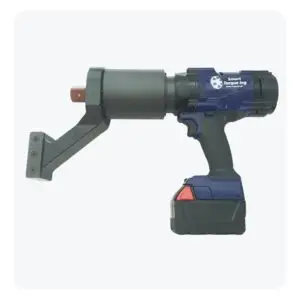
Accuracy Guaranteed: Understanding Calibration for Your High-Torque Cordless Wrench
The Science of Torque: Why Calibration is Non-Negotiable
For professionals relying on Heavy Duty Cordless Torque Wrenches—especially those operating in critical fields like Wind Energy or Mining—precision is paramount. Applying incorrect torque can lead to catastrophic structural failure, costly downtime, and severe safety risks. This is why regular calibration is not just a best practice; it’s a regulatory requirement.
Calibration is the process of comparing your wrench’s output against a known, traceable standard. For the North American market, this standard is typically based on NIST (National Institute of Standards and Technology) guidelines. A properly calibrated wrench provides NIST Traceability, ensuring that the2000Nm / $1500ft-lbs you set is the torque you actually deliver.
Calibration Results Chart
Point
Target Torque (ft-lbs)
Pre-Calibration Reading (ft-lbs)
Post-Calibration Reading (ft-lbs)
1
500
518
501
2
1000
1045
1003
3
1500
1572
1502
Tolerance
N/A
4%
In Spec 4% or better
Description for the Graph: The chart above demonstrates how pre-calibration drift can cause significant over-torquing. After the calibration procedure, the wrench’s readings are verified to fall within the strict industry tolerance range, providing confidence in its Digital Accuracy.
The Calibration Process: Ensuring Digital Accuracy
Our advanced Digital Battery Torque Wrenches are designed for precision, but constant use, high-load cycles, and exposure to environmental factors can cause minute deviations. The process typically involves three key steps:
Inspection and Testing: The wrench is visually inspected and connected to a high-capacity Torque Transducer (a certified device that measures actual force). Multiple tightening tests are performed across the full range to determine the current accuracy.
Adjustment and Correction: If the tool’s readings fall outside the allowable tolerance usually 4%-5%
, internal software adjustments are made to correct the output signal, ensuring the Digital Display matches the force delivered.
Certification and Documentation: A final series of verification tests is run. Upon passing, a formal Calibration Certificate is issued, which is essential for audit and compliance purposes.
Suggested Visual 2: Calibration Frequency Table
Application Type
Usage Frequency
Recommended Calibration Interval
Key Risk Factor
Critical Bolting
Daily / High Cycle
Every 6 Months or 5,000 Cycles
Structural Failure / Liability
Standard Industrial
Weekly / Moderate
Every 12 Months
Tool Drift / Inefficiency
Infrequent Use
Monthly / Low
Every 12 Months
Environmental Factors (Temp/Humidity)
Post-Repair
N/A
Immediately
Component Replacement
Conclusion on Frequency: While the standard is often annually, severe users in Heavy Duty applications should always follow a semi-annual schedule (6 months) to maintain the high-accuracy required when dealing with massive fasteners.
Choosing Your Calibration Partner
When it’s time to service your Industrial Cordless Nut Runner, choosing a certified calibration lab is crucial. They must use equipment traceable back to national standards (NIST) and be specifically rated to handle the high torque capacity of your tool 1500 ft-lbs and up This step guarantees that your investment continues to deliver the power and precision necessary for safety and compliance.
Don’t wait for drift—protect your assets and your team by prioritizing scheduled calibration.